

Most adults treat health checks like car servicing. Something breaks, then they book the appointment. It’s human nature. If nothing hurts, everything must be fine. Right?
Not quite.
Many serious conditions develop quietly. High blood pressure. Type 2 diabetes. Cholesterol issues. They often show no obvious symptoms early on. By the time people notice something is wrong, the condition has usually been building for years. Early screenings flip that timeline. They catch problems while they’re small, manageable, and far easier to treat.
I once spoke with a colleague who skipped check-ups for almost a decade. Busy job, young kids, the usual story. A routine test finally revealed dangerously high blood pressure. No symptoms at all. That one appointment likely prevented a major cardiac event down the track. A thirty-minute screening. That’s all it took.
Sometimes prevention is boring. But boring is good.
Small Tests, Big Impact
Health screenings are not complicated procedures. Most are simple measurements or quick lab tests. Blood pressure checks, blood glucose testing, cholesterol panels, skin examinations, and cancer screenings all fall into this category.
The power lies in timing.
When doctors detect health issues early, they have options. Lifestyle adjustments might be enough. Medication can start sooner. Monitoring becomes possible. Waiting until symptoms appear usually removes those options and replaces them with more aggressive treatment.
Think about it like spotting rust on a roof. Fix it early and you patch a small section. Ignore it for years and suddenly the entire structure needs replacing.
That principle applies to the human body too.
Many adults begin discussing preventative screenings with their doctor in their thirties and forties. A local clinic or a trusted GP Malvern can often help determine which tests make sense depending on age, family history, and lifestyle habits.
No guesswork required.
The Quiet Rise of Preventive Healthcare
Something interesting has happened in the past decade. Preventive healthcare is no longer niche. It’s becoming normal.
People track their sleep with smartwatches. They monitor heart rates during workouts. Some even keep spreadsheets of blood test results. A bit nerdy maybe. But incredibly useful.
The shift comes from one simple idea. Waiting for illness is a terrible strategy.
Doctors see it constantly. Someone feels fine for years, then a screening suddenly reveals a problem that has been simmering beneath the surface. Catching that issue early changes the outcome entirely. The difference between lifestyle changes and surgery. Between monitoring and emergency care.
Even everyday healthcare processes are evolving. Prescriptions are becoming more streamlined and digital. Some clinics now send scripts electronically so patients can fill them through services like an e-script dispensary Southport without juggling paper prescriptions or extra trips across town.
Convenience helps people stay consistent with their health routines. And consistency is everything.
Understanding What Screenings Actually Look For
Not all screenings target the same type of condition. Some focus on cardiovascular health. Others look for early cancer markers. Some simply assess overall risk factors.
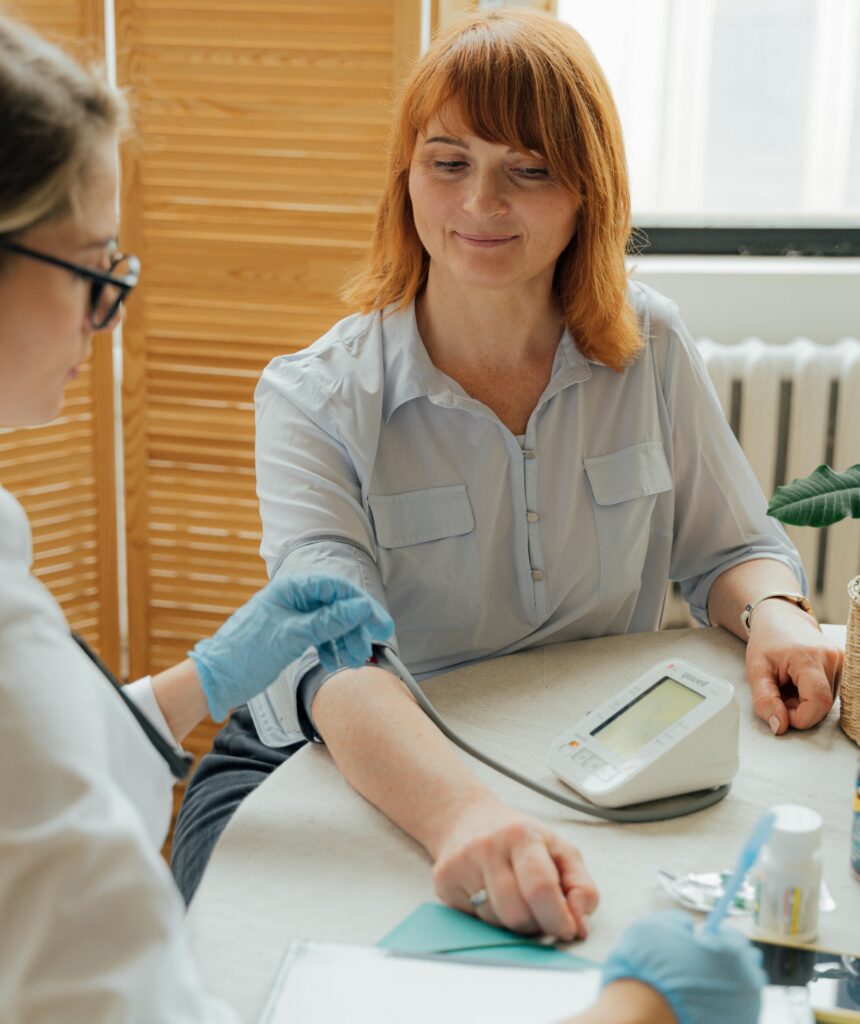
Blood pressure tests are a classic example. They’re quick and painless. Yet they reveal a lot about heart health and circulation. High readings might lead to further tests or lifestyle changes.
Cholesterol checks provide another useful snapshot. Elevated levels can increase the risk of heart disease, but many people only discover this through routine screening. Again, no symptoms early on.
Then there are cancer screenings such as skin checks, bowel tests, or mammograms depending on age and risk factors. Detecting abnormalities early dramatically improves treatment outcomes. That’s not marketing hype. It’s decades of medical evidence.
Screenings are not about assuming something is wrong. They’re about confirming things are right.
Peace of mind counts too.
The Lifestyle Conversation That Often Follows
Here’s the part people rarely expect. Screenings don’t just uncover medical problems. They spark conversations.
A doctor might ask about diet, sleep habits, stress levels, alcohol intake, or exercise routines. Sometimes those discussions reveal the real issues behind the numbers. A stressful job. Poor sleep. Too many takeaway meals.
I’ve seen friends walk into a screening expecting a quick test and walk out rethinking their entire routine.
Not in a dramatic, life-overhaul way. More like small course corrections. Walking more. Eating a bit better. Cutting back on weekend drinks. Occasionally people explore alternative therapies alongside conventional medical advice to support stress management or overall wellbeing.
No magic solutions. Just practical steps.
Barriers That Stop People From Getting Checked
Despite the benefits, many adults still delay screenings. Time is the biggest excuse. Work schedules, family responsibilities, commuting. The list goes on.
Fear also plays a role. Some people avoid tests because they worry about the results. Ironically, that avoidance increases the risk they’re trying to dodge.
Then there’s the misconception that screenings are only for older adults. That’s outdated thinking. Many conditions begin developing in early adulthood. Catching them early can prevent decades of health complications later.
Even small changes in healthcare access are helping remove barriers. Digital records, telehealth consultations, and streamlined prescription systems mean fewer appointments and less administrative hassle.
Healthcare is slowly catching up with real life.
A Long Game Worth Playing
Looking after your health rarely feels urgent when everything seems fine. That’s the trap. Prevention doesn’t create dramatic moments. It creates quiet ones. Routine appointments. Quick tests. Normal results.
But those quiet moments add up.
They build a long timeline of health data. They allow doctors to spot patterns early. They give people time to make changes before problems escalate.
The alternative? Waiting.
And waiting rarely works out well when it comes to health.